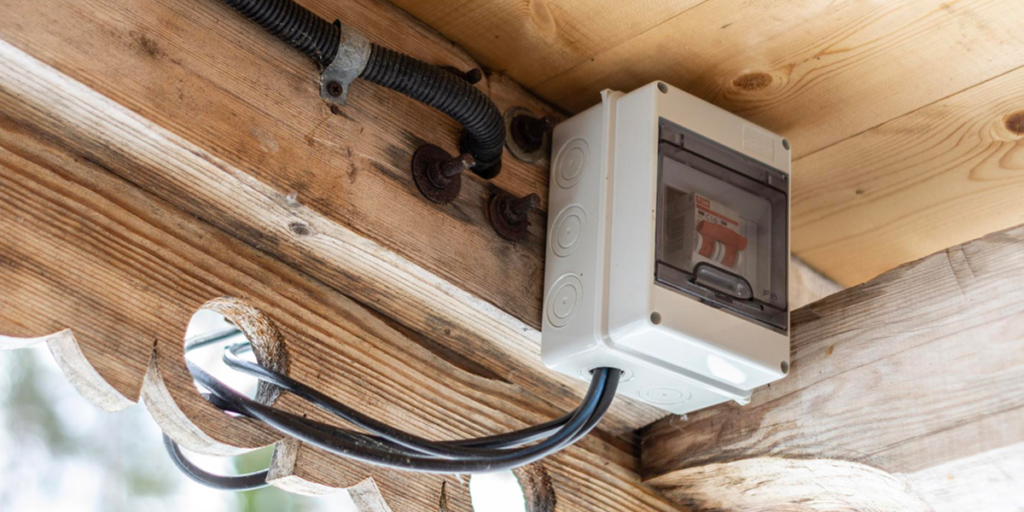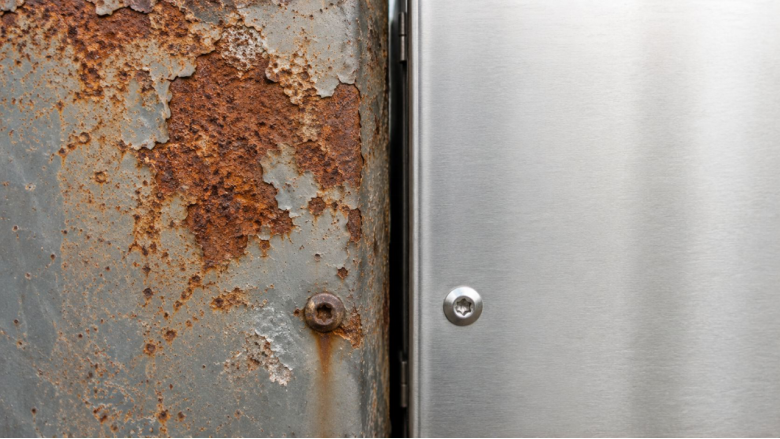
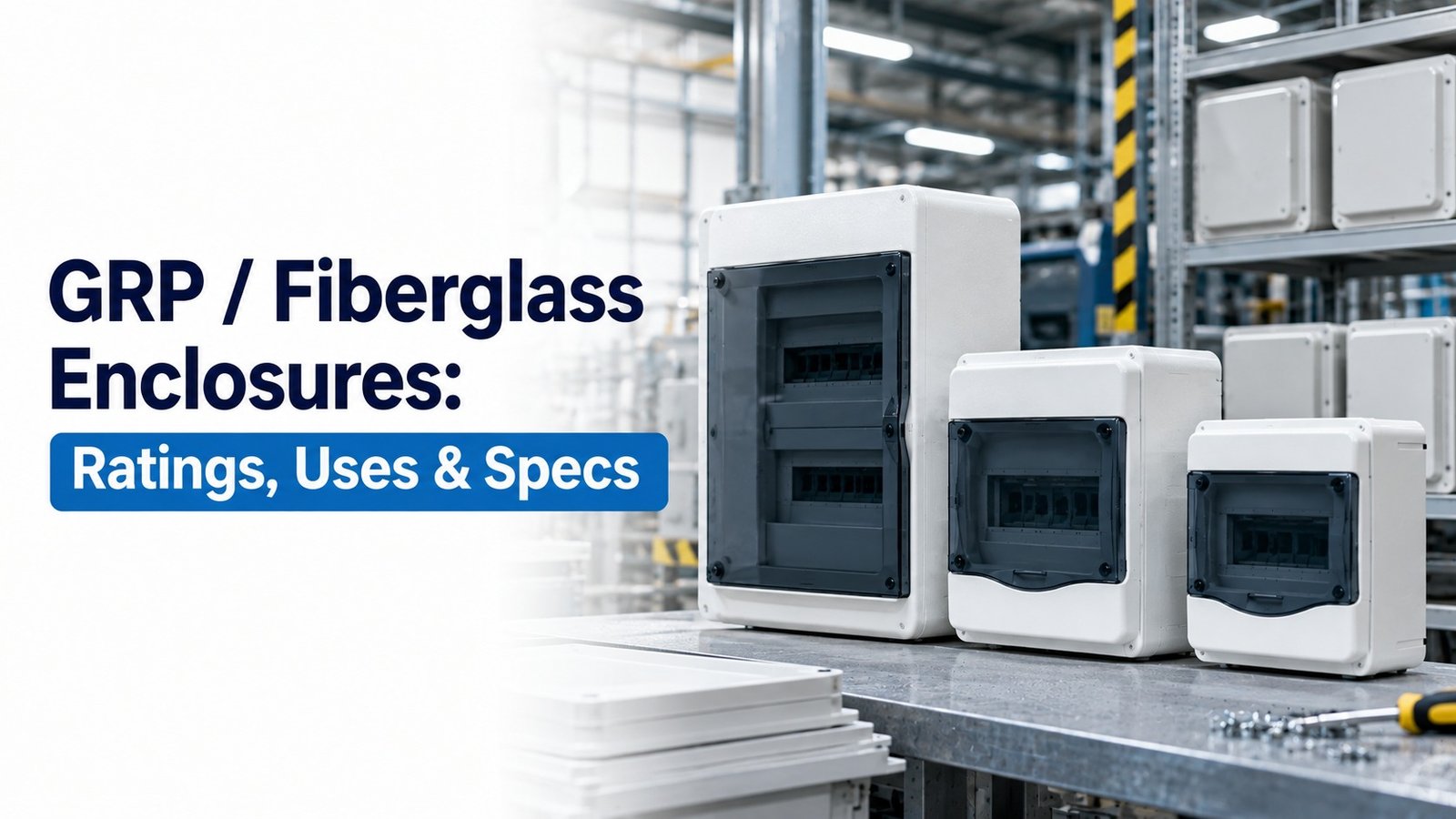
A GRP/fiberglass enclosure is a protective box made from glass-reinforced plastic. It protects electrical, electronic, control, and instrumentation equipment. People choose it for four main reasons: it resists corrosion, insulates well, is lightweight, and protects against dust, water, weather, and impact.
GRP and fiberglass mean the same thing. GRP stands for glass-reinforced plastic, and fiberglass is just the common name for it. Some spec sheets use FRP or GFRP instead, but these are all names for the same type of material. Not every fiberglass enclosure performs the same way, though, so always check the rating and chemical resistance of the exact model before you buy it.
This guide covers what GRP enclosures are made from, where they get used, and how they compare to other materials. It also walks through IP and NEMA ratings, a specification checklist, and installation tips to help you choose the right enclosure.
What Is a GRP/Fiberglass Enclosure Made From?
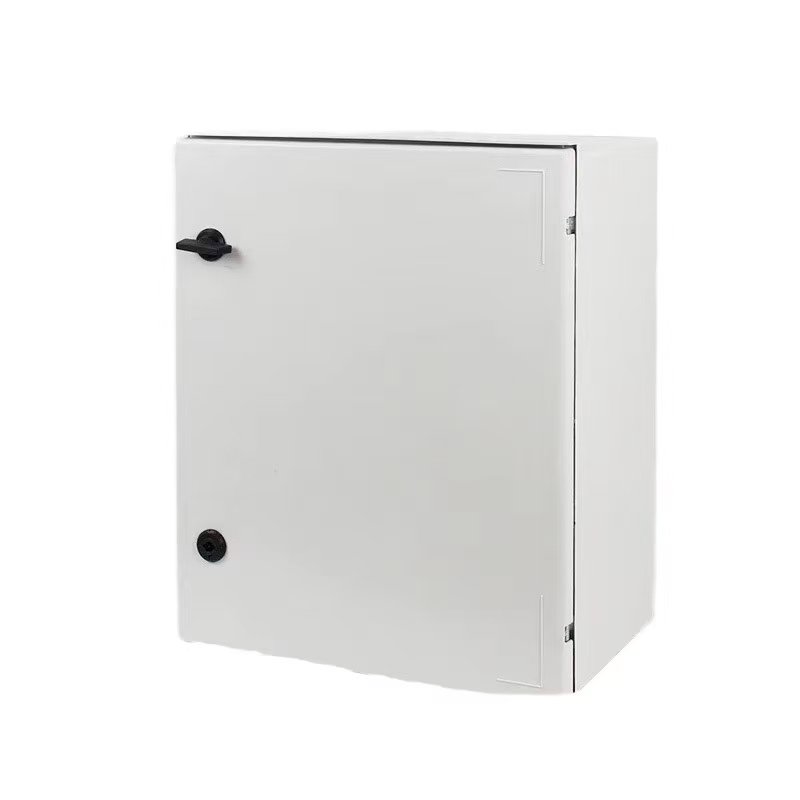
Glass fibers give a GRP enclosure its strength, and a resin, usually polyester, holds those fibers together and protects them. This mix is lighter than most metal enclosures, resists corrosion well, and does not conduct electricity well, which is why it works so well outdoors and in industrial settings.
Other parts matter too, including the gel coat, gasket, hinges, and fasteners, along with the way the enclosure is made. All of these affect performance.
The word “fiberglass” does not promise fire resistance, UV resistance, chemical resistance, or hazardous-area approval. Check the manufacturer’s datasheet for these facts instead of assuming them from the material name alone.
Why Choose a GRP/Fiberglass Enclosure?
Selection factor | Why GRP can be suitable |
Corrosion | Does not rust like steel, so it suits coastal or chemical sites |
Electrical insulation | Non-conductive build lowers the risk that comes with metal housings |
Weight | Easier to lift and install than most metal options |
Weather protection | Comes in designs with tested IP or NEMA protection |
Impact resistance | Reinforced build protects equipment in tough locations |
Maintenance | Needs less corrosion-related upkeep than painted steel |
GRP has some limits too. It can be harder to cut or modify than metal, and poor cable-entry drilling can lower the original ingress rating. UV, heat, flame, chemical, and impact performance can all change depending on the formulation and certification used, so hinges, locks, gaskets, hardware, and cable glands are often the weakest points.
People often praise GRP for corrosion resistance and insulation, but check every performance claim against a test standard or a manufacturer’s datasheet.
Common Applications and Industries
GRP enclosures show up in many settings, including outdoor electrical distribution, control panels, automation equipment, and junction or terminal boxes. You will also find them in instrumentation systems, telecom and network equipment, water and wastewater treatment, chemical processing, marine and coastal sites, oil and gas facilities, and renewable-energy or utility installations.
The environment usually determines why GRP is chosen. Wastewater and coastal sites often need corrosion resistance the most, while instrumentation sites often need weather protection, insulation, and easy access instead.
GRP is not automatically safe for explosive atmospheres. Hazardous-area work needs a properly certified enclosure and installation system, confirmed against the site’s classification.
Understanding IP, NEMA, and IK Ratings
An IP rating has two digits. The first covers protection from solids and dust, and the second covers protection from water, so IP65, IP66, and IP67 are not the same. The right rating depends on washing, rain, immersion, condensation, and how the enclosure gets installed.
IP66 can suit a site that needs both dust-tight protection and resistance to strong water jets, while IP67 covers short-term immersion instead. Neither rating alone proves chemical, UV, impact, or hazardous-area safety.
According to the International Electrotechnical Commission, IEC 60529 “has been developed to rate and grade the resistance of enclosures of electric and electronic devices against the intrusion of dust and liquids.” One datasheet lists IP66 under IEC/EN 60529 test requirements, which shows why you should check the rating for the exact model instead of guessing it from the material.
The National Electrical Manufacturers Association maintains the NEMA 250 Enclosure Types Standard, which defines enclosures to provide a “degree of protection to personnel against access to hazardous parts” and protect internal equipment against “ingress of solid foreign objects (windblown dust)” and “harmful effects on the equipment due to the ingress of water.” NEMA 4X is often linked to indoor and outdoor use plus extra corrosion resistance, protecting against windblown dust, rain, sleet, snow, splashing water, and hose-directed water. NEMA and IP are not exact matches, so always confirm the test standard and certification for each one.
Other ratings also matter, including the IK impact rating, UV resistance, flame-retardant or self-extinguishing class, operating temperature range, and double-insulation or electrical safety class.
GRP vs Metal, Stainless Steel, and Polycarbonate
Material | Main strengths | Potential drawbacks |
GRP/fiberglass | Corrosion resistance, insulation, low weight, industrial durability | Performance changes by resin and certification |
Stainless steel | High mechanical strength, familiar to fabricate | Heavier, conductive, often costs more |
Painted steel | Strong and widely available | Paint damage can lead to rust |
Polycarbonate | Lightweight, some clear options, good impact resistance | Different heat, UV, chemical, or rigidity limits |
ABS | Low cost for light indoor jobs | Often not suited to harsh industrial sites |
Here is a simple rule to follow: pick GRP when a project needs corrosion resistance, non-conductivity, low weight, and tested outdoor protection all at once. Pick another material when a project has unusually high mechanical, thermal, or transparency needs, or unusual fabrication or certification requirements.
GRP Enclosure Specification Checklist
Use this checklist to narrow down a GRP enclosure:
- Application:indoor, outdoor, marine, chemical, utility, or process environment
- Equipment:terminal blocks, controls, PLCs, instrumentation, batteries, or communications equipment
- Internal dimensions:width, height, depth, clearance, and heat dissipation needed
- Ingress rating:required IP rating and test standard
- NEMA classification:if the project spec calls for it
- Impact and UV performance:important for exposed sites
- Material and finish: GRP formulation, gel coat, color, UV stabilization, flame performance
- Access: hinged door, removable cover, viewing window, lock, or quarter-turn fasteners
- Cable entry:gland plate, cable glands, conduit entries, blanking plugs, sealing method
- Mounting: wall brackets, poles, plinths, floor mounting, or stainless-steel hardware
- Internal accessories: mounting plate, DIN rail, earth bar, partitions, terminal supports
- Documentation: datasheet, drawings, certificates, test reports, installation instructions
A few specs matter most for a GRP enclosure: material, internal size, IP/NEMA rating, impact and UV resistance, cable-entry method, mounting method, operating temperature, and required certifications.
Installation Tips for Fiberglass Enclosures
A few habits make GRP installs go well. Follow the manufacturer’s drilling and cutting steps first, then use correctly rated cable glands and blanking plugs, and seal any unused entries instead of leaving them open. Take care not to damage the door gasket or the enclosure wall while mounting it, and choose hardware that suits both the wall and the environment.
After installation, check the door alignment and gasket compression, then inspect for cracks, damaged seals, loose hardware, and blocked vents. Recheck the assembly’s rating after any field change that affects ingress protection.
Not Sure Which GRP Enclosure Fits Your Application?
Don’t guess about ingress protection or material specs. Share your project requirements with us, and we’ll match you with a certified enclosure built to endure your environment.
GRP / Fiberglass Enclosure FAQs
Alt text: frequently asked questions about GRP fiberglass enclosures
Are GRP and fiberglass enclosures the same?
GRP and fiberglass usually describe the same group of materials. GRP means glass-reinforced plastic, and fiberglass is the common industry name for it, though the exact resin and reinforcement can still vary between makers.
Are GRP enclosures suitable for outdoor use?
GRP enclosures can suit outdoor use, as long as the specific design carries the right IP/NEMA, UV, temperature, and installation approvals for that site.
Do GRP enclosures rust?
GRP itself does not rust like steel, but metal parts inside or around the enclosure, such as hardware and fittings, still need protection from the environment.
Is IP66 the same as NEMA 4X?
IP66 and NEMA 4X both address dust and water protection, but they use different rating systems, so treat them as separate rather than exact equivalents.
How do I choose a GRP enclosure?
Match equipment size, environment, ingress rating, impact and UV performance, access, cable entry, mounting, and certification to your project’s needs.